Electric Cars in Portugal: Tax Benefits and Practical Tips
Blog Post
Tax, Vehicles, Live in Portugal
Electric Cars in Portugal: Tax Benefits and Practical Tips
Portugal is one of the most electric-car-friendly countries in Europe. With strong tax benefits, a growing charging network and plenty of sunshine to power solar panels, going electric here makes a lot of sense. Here’s what you should know.
If you buy a 100% electric car in Portugal, you benefit from:
No ISV — electric cars are exempt from the vehicle registration tax
No IUC — no annual car tax, ever
Lower running costs — charging at home is usually much cheaper than fuel
🏢 Extra Benefits for Companies and the Self-Employed
If you’re buying through a company or as a VAT-registered self-employed worker:
VAT on the purchase is deductible if the price is up to €62,500 (before VAT)
VAT on charging is fully deductible
Autonomous taxation is 0% for companies
Higher depreciation limits for tax purposes
This makes electric cars one of the most tax-efficient options for business use.
🔌 Charging in Portugal
At home: the cheapest option. A wallbox installed by a certified electrician is recommended. In apartment buildings, you may need to inform or get approval from the condominium.
Public charging: Portugal has a national public charging network called Mobi.E, with thousands of charging points across the country. You’ll need a charging card or app from an electric mobility supplier (comercializador de eletricidade para a mobilidade elétrica).
Fast chargers are available along motorways and in many shopping centres.
☀️ Solar Panels + Electric Car
With around 300 days of sunshine in some regions, many homeowners combine solar panels with an electric car to reduce charging costs even further.
🎁 Incentives
The Portuguese State has offered purchase incentives for electric cars in several years, through the Fundo Ambiental, as well as support for chargers. The rules and amounts change every year — check the current conditions before you buy.
⚠️ Things to Consider
Range and charging access: if you live in an apartment without a garage, check where you’ll charge.
Rural areas: charging points are less frequent in the interior — plan longer trips.
Plug-in hybrids are a middle ground, with some tax benefits (such as a reduced ISV), but not the full exemptions of electric cars.
🚀 Final Considerations
No ISV, no IUC, cheaper running costs and big advantages for businesses: electric cars are a smart choice in Portugal. Plan how you’ll charge, compare offers and check whether incentives are available when you buy.
📢 Expert Advice: Thinking of bringing your electric car when you move? You won’t pay ISV anyway — but you’ll still need to legalise it and get Portuguese plates.
Bringing or buying a car in Portugal? Step Inside Portugal handles vehicle legalisation, so you can hit the road with Portuguese plates. ✨
This article is for general information and reflects the rules as of October 2026. Tax rules and incentives change regularly.
If you pay someone to clean your home in Portugal, you're their employer — even if they only come a few hours a week. Here's how to register them with Social Security, how much you'll pay in contributions, what you
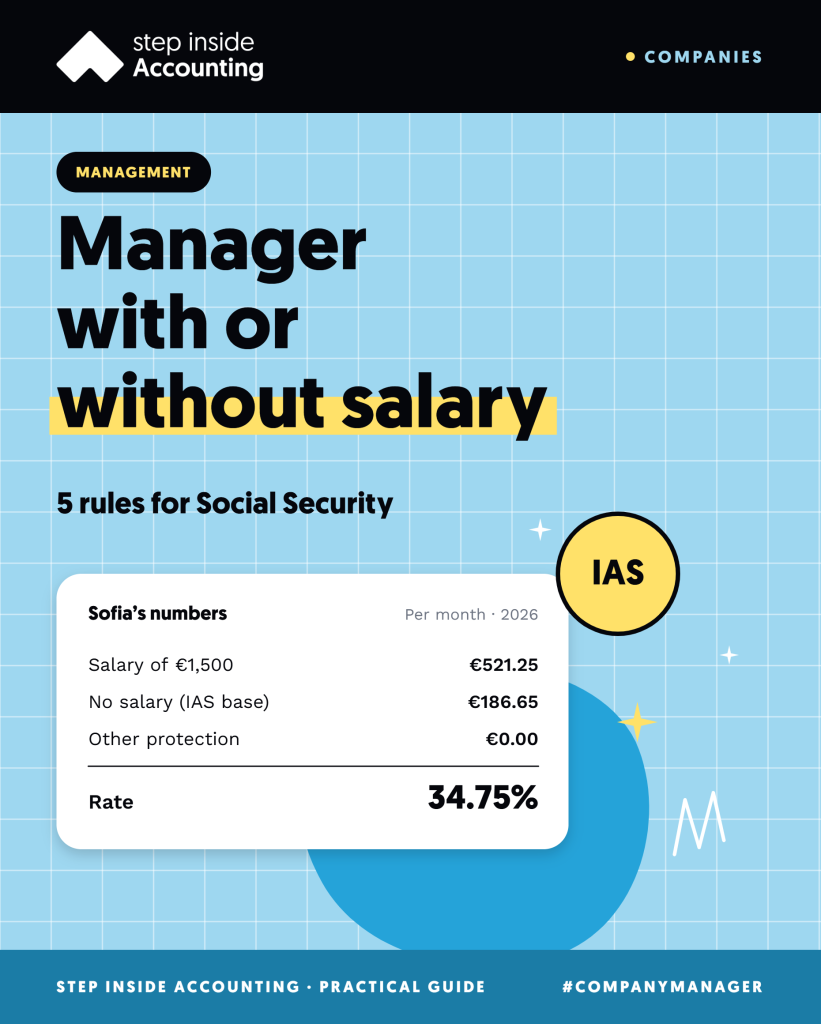
Many partner-managers decide not to take a salary to save on contributions. But being an unpaid manager does not, on its own, mean not paying Social Security. It all depends on whether or not you have other mandatory social protection,
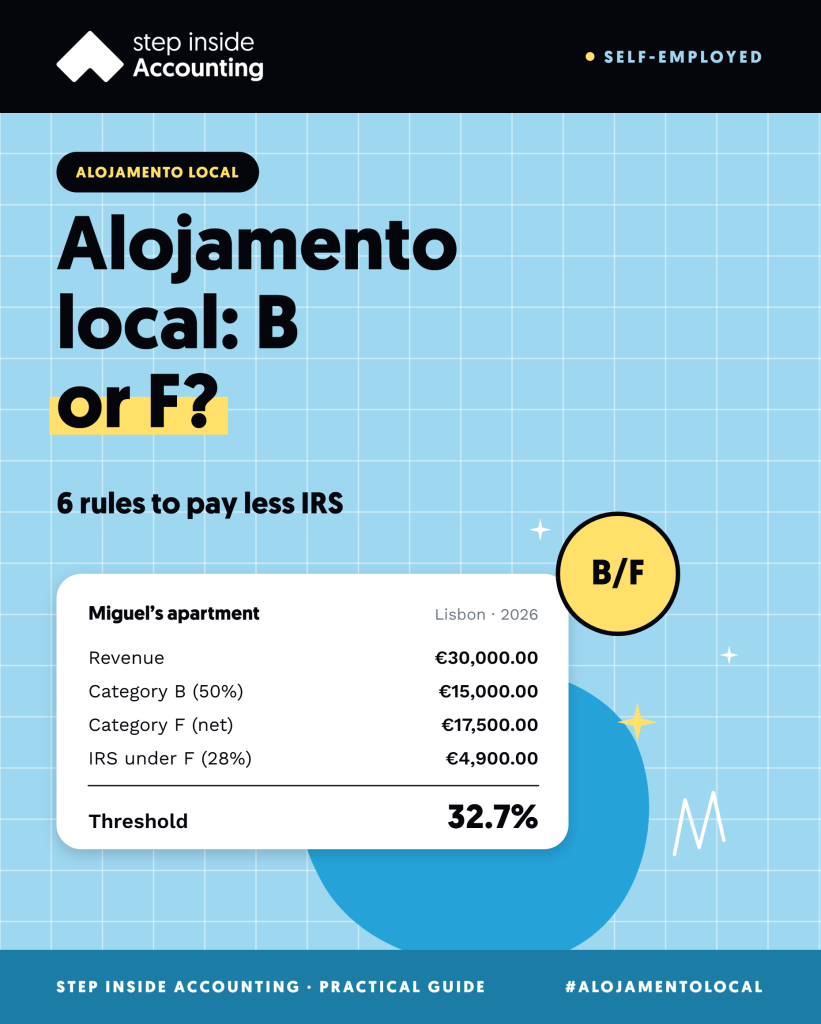
If you have a house or an apartment in alojamento local (short-term rental), you can choose every year how you pay IRS: as a self-employed worker, on a fixed percentage of what you receive, or as if it were rent,