Non-Residents Selling Portuguese Shares: The Capital Gains Exemption (Article 27 EBF)
Blog Post
Tax, Live in Portugal
Non-Residents Selling Portuguese Shares: The Capital Gains Exemption (Article 27 EBF)
If you live outside Portugal and sell shares or other securities of Portuguese companies at a profit, you may not owe any Portuguese tax. Article 27 of the Tax Benefits Statute (EBF) exempts many capital gains realised by non-residents — but with important exceptions. Here’s how it works.
Capital gains realised by non-resident individuals and entities (without a permanent establishment in Portugal) on the sale of:
Shares and other equity securities
Other securities (such as bonds)
Autonomous warrants and certain derivatives
are exempt from IRS and IRC, under the conditions of Article 27.
🚫 Exceptions for Non-Resident Individuals
The exemption doesn’t apply if:
You’re resident in a tax haven (a jurisdiction on Portugal’s blacklist), or in a country with no tax treaty or information exchange agreement with Portugal
You sell shares in a Portuguese company whose assets consist mainly (more than 50%) of Portuguese real estate, or in holding companies controlling such companies
For non-resident entities, there’s an additional exception: entities more than 25% owned by Portuguese residents don’t benefit.
🏠 Real-Estate Companies
This exception is important: selling shares in a company that mainly owns Portuguese property is treated similarly to selling the property itself. The gain is taxed in Portugal — and you’ll need to file a return.
📝 Do You Need to File?
If the gain is exempt under Article 27 and you had no other Portuguese income requiring a return, you generally don’t need to declare it in a Portuguese IRS return. Keep the documentation that shows you met the conditions (residence certificate, nature of the securities).
If the gain is not exempt (for example, real-estate companies or tax-haven residents), you must file a Portuguese return and pay tax (generally 28% on the gain for securities; specific rules for real-estate rich companies).
🌍 Tax Treaties
Even where Article 27 doesn’t apply, a tax treaty may give the right to tax the gain only to your country of residence — except, typically, for shares in real-estate rich companies.
⚖️ Your Country of Residence
The Portuguese exemption doesn’t mean the gain is tax-free overall — your country of residence will usually tax it under its own rules.
💡 Practical Tips
Check the company’s assets — is more than half Portuguese property?
Keep a tax residence certificate from your country for the year of the sale.
Moving to Portugal? Consider the timing of sales before you become resident.
🚀 Final Considerations
Non-residents selling Portuguese shares are often exempt from Portuguese tax under Article 27 EBF — unless they live in a tax haven or the company is mainly a property holder. Checking these conditions before selling avoids unexpected filings and tax.
📢 Expert Advice: Before selling shares in a Portuguese company as a non-resident, check whether its value comes mainly from Portuguese real estate. That’s the most common reason the exemption doesn’t apply.
If you pay someone to clean your home in Portugal, you're their employer — even if they only come a few hours a week. Here's how to register them with Social Security, how much you'll pay in contributions, what you
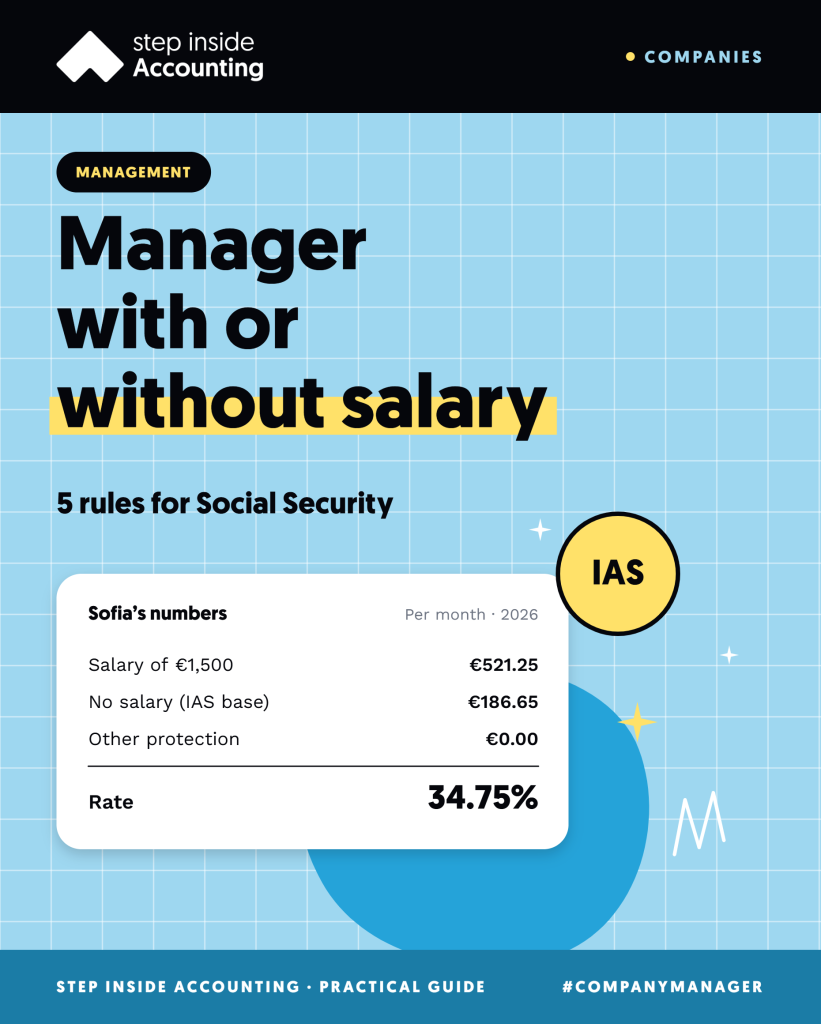
Many partner-managers decide not to take a salary to save on contributions. But being an unpaid manager does not, on its own, mean not paying Social Security. It all depends on whether or not you have other mandatory social protection,
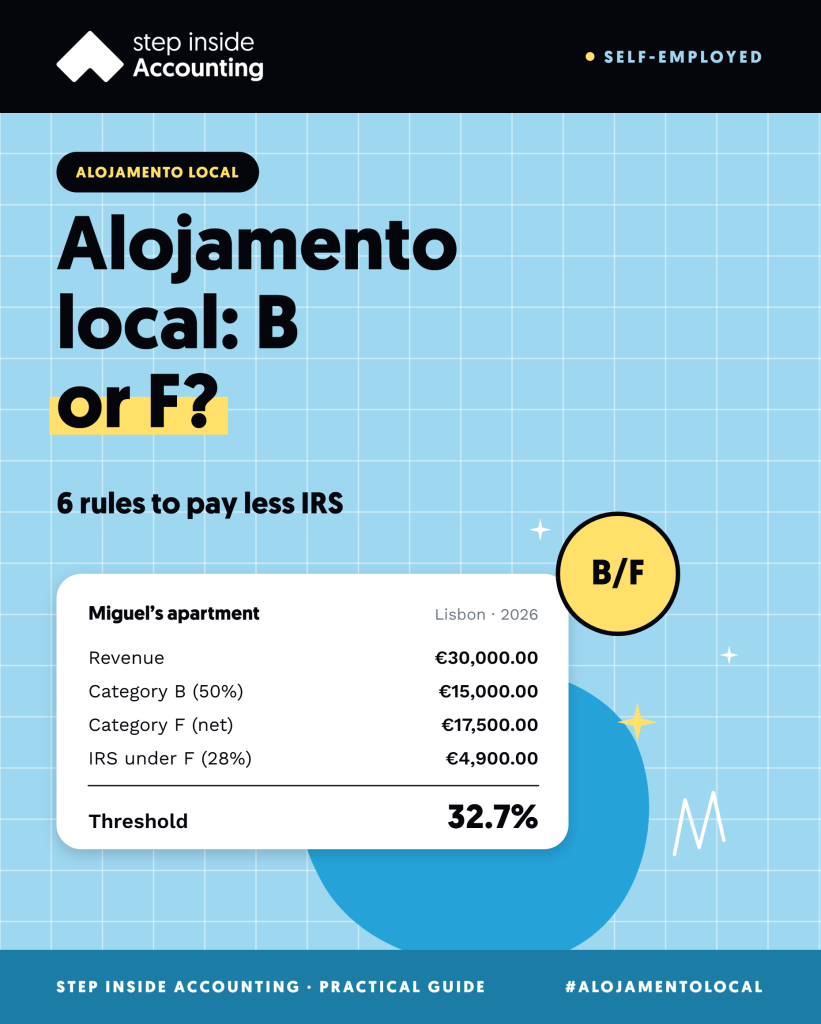
If you have a house or an apartment in alojamento local (short-term rental), you can choose every year how you pay IRS: as a self-employed worker, on a fixed percentage of what you receive, or as if it were rent,