


Portuguese-Source vs Foreign-Source Income: Article 18 of the IRS Code Explained
Is your income Portuguese or foreign for tax purposes? It’s not always obvious — and the answer matters a lot. Article 18 of the IRS Code sets out when income is considered obtained in Portugal. It’s the key rule if you’re a non-resident (taxed only on Portuguese-source income) or a resident under a regime like IFICI or the old NHR (where foreign-source income can be exempt).
The IRS Income Categories in Portugal: Where Does Your Income Fit?
Portuguese personal income tax (IRS — Imposto sobre o Rendimento das Pessoas Singulares) doesn’t treat all income the same way. Every euro you earn falls into one of six categories, and the category decides how it’s calculated, which rate applies, which expenses you can deduct and which annex of the tax return you fill in. If you’ve just moved to Portugal, understanding the categories is the first step to understanding your IRS.
Selling Paintings in Portugal: Collector, Artist or Art Dealer — How Are You Taxed?

Selling a painting in Portugal can be tax-free — or it can be business income subject to IRS and VAT. It all depends on who you are when you sell it: a private owner or collector, the artist who painted it, or someone who sells art as a professional activity. Here’s how to tell the difference.
Selling Your Car in Portugal as a Private Individual: Is There IRS or VAT to Pay?
Selling your car in Portugal? A common question is whether the money you receive is taxed. For most private individuals, the answer is good news: no IRS and no VAT. But there are exceptions — and some practical steps you shouldn’t skip. Here’s what you need to know.
VAT in Portugal for Consumers: What It Is and the Rates You Pay
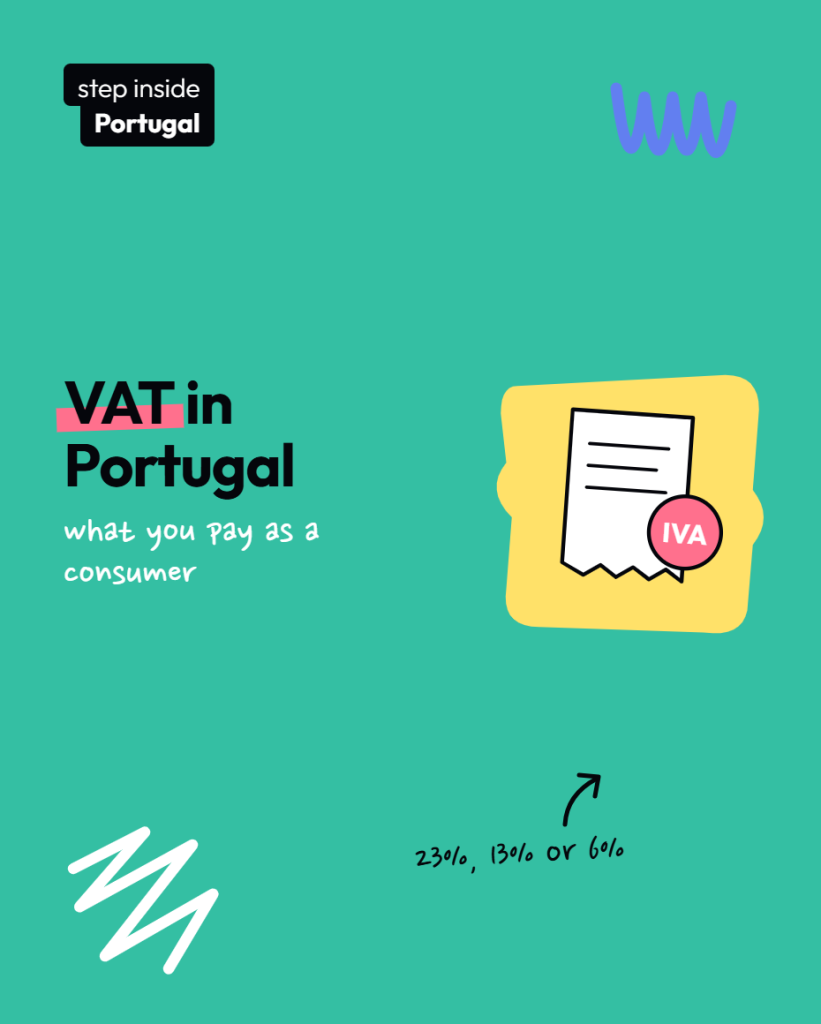
Every time you buy groceries, eat at a restaurant or pay your electricity bill in Portugal, you pay VAT (IVA — Imposto sobre o Valor Acrescentado). As a consumer, you don’t file anything — but knowing how VAT works helps you understand prices, read your invoices and even get some of it back in your IRS. Here’s a simple guide for people who aren’t self-employed.
ViaCTT and Portal das Finanças Notifications: How They Affect Your Tax Deadlines
The Portuguese Tax Authority can notify you electronically instead of by post — through the ViaCTT mailbox or the notifications area of the Portal das Finanças. It’s convenient, especially if you travel or live part of the year abroad. But there’s a catch: an electronic notification counts as received after a fixed number of days, even if you never open it — and that’s when your deadlines start to run. Here’s what you need to know before you sign up.
Inheriting Assets in Portugal as a Foreigner: A Step-by-Step Guide to the Tax Side
When someone dies owning a property, a bank account or other assets in Portugal — whether they lived here or abroad — the heirs have to deal with the Portuguese Tax Authority. Even if the heirs are exempt from Stamp Duty, there are declarations to file, deadlines to meet and steps that unlock the assets. Here’s the tax side of an inheritance in Portugal.
Compensatory Interest vs Late-Payment Interest in Portugal: What’s the Difference?
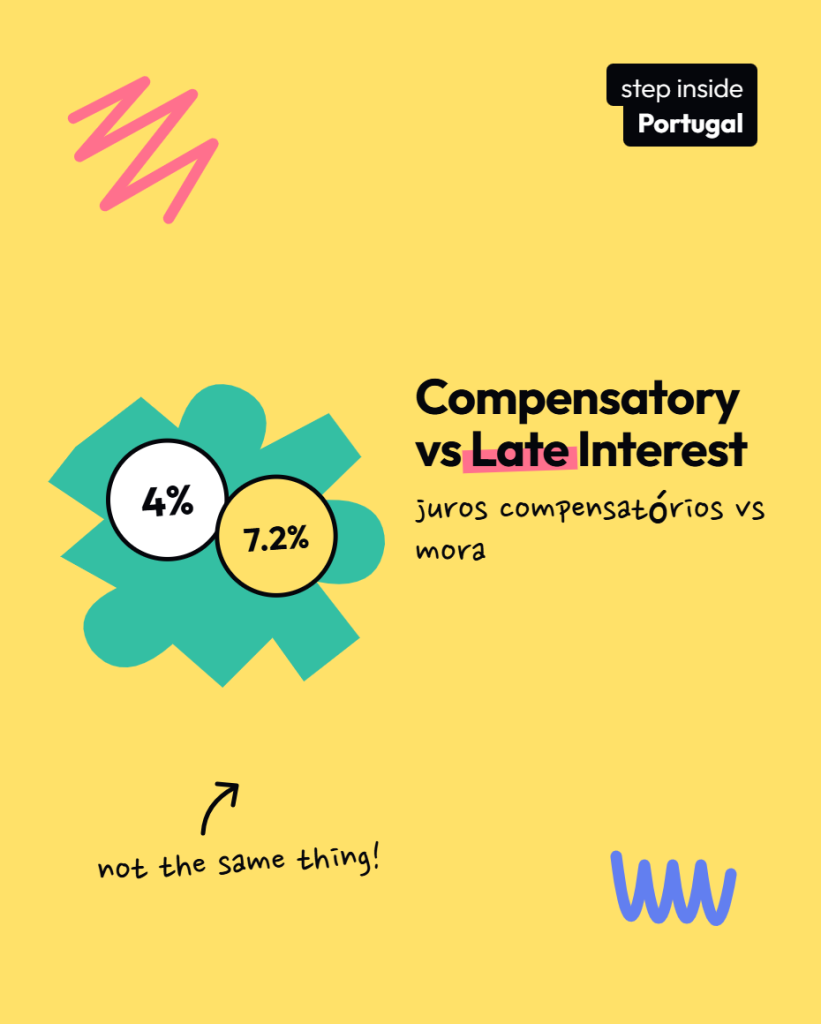
Paid a tax late in Portugal? You’ll probably see one of two charges on the bill: juros compensatórios (compensatory interest) or juros de mora (late-payment interest). They sound similar, but they apply at different moments, have different rates and are counted differently. Here’s how to tell them apart.
Mandatory Registration of Rental Contracts in Portugal: Deadlines, Fines and Interest

In Portugal, every rental contract must be communicated to the Tax Authority — and the Stamp Duty on it must be paid. Many landlords, especially foreign owners, only find out when they receive a notification with a fine and interest. Here’s what the obligation involves, the deadlines and what happens if you miss them.
Stamp Duty on Rental Contracts in Portugal: Who Pays, When, How Much and How
Renting out a property in Portugal — or signing a lease as a tenant? Every rental contract is subject to Stamp Duty (Imposto do Selo). It’s a one-off tax, it’s usually small, but it’s often forgotten — and forgetting it leads to fines and interest. Here’s what you need to know.